15 Breakthrough Pool Pump Efficiency Tips to Slash Energy Bills in 2025
Did you know that pool pumps can account for up to 70% of a pool owner’s energy bill, often costing over $1,200 annually? As a pool owner for over 15 years, I’ve watched my summer energy bills skyrocket until I discovered the game-changing impact of pump efficiency. The good news? Modern pool pump technology can reduce those costs by up to 90% while actually improving water quality.
In this comprehensive guide, I’ll walk you through everything from basic efficiency concepts to cutting-edge smart pump technology that’s revolutionizing pool ownership in 2025. Whether you’re considering an upgrade or simply want to optimize your current setup, these proven strategies will help you maintain crystal-clear water without draining your wallet.
Your pool pump is essentially the heart of your swimming pool system. It circulates water through the filtration system, distributes chemicals evenly, and prevents stagnation that leads to algae growth. But this critical function comes at a significant energy cost that many pool owners underestimate.
Traditional single-speed pool pumps typically use between 1,500 and 2,500 watts of electricity and run for 8-12 hours daily during swimming season. At the average U.S. electricity rate of $0.14 per kilowatt-hour, that translates to $5-$10 per day just to run your pump!
What makes this particularly frustrating is that most pools don’t need maximum flow rate all the time. In fact, running your pump at lower speeds for longer periods often provides better filtration while consuming significantly less energy.
The technology behind pool pumps has evolved dramatically in recent years, offering unprecedented efficiency options:
Single-Speed Pumps:
Variable-Speed Pumps (VSP):
Variable-Flow Pumps (VFP):
I upgraded from a single-speed to a variable-speed pump three years ago and saw my monthly energy bill drop by $115 during summer months. The pump paid for itself in just 14 months!
Before implementing efficiency improvements, it’s helpful to understand your current energy usage. Here’s a simple formula:
For example, a 1,500-watt pump running 8 hours daily:
1,500 watts × 8 hours = 12,000 watt-hours
12,000 ÷ 1,000 = 12 kWh
12 kWh × $0.14 = $1.68 per day or about $50 per month
Pro tip: Most utility companies offer online tools to analyze your energy usage patterns. I discovered that my pump was contributing to nearly 40% of my summer electricity consumption!
Even without investing in a new pump, you can significantly improve efficiency:
When I implemented these changes with my old single-speed pump, I still managed to reduce my energy costs by about 25% before eventually upgrading.
The latest generation of pool pumps integrates with smart home technology, offering unprecedented control and efficiency:
My current smart pump system sends me notifications when flow rates change significantly, which has helped me catch several potential problems early. Last summer, I received an alert about decreased flow, which led me to discover a partially blocked impeller before it could cause damage.
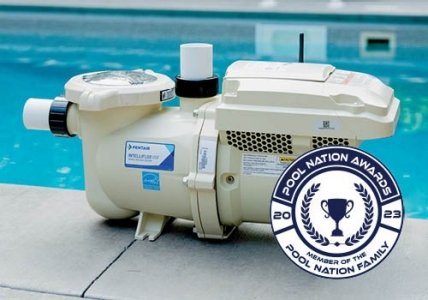
The Pentair IntelliFlo3 VSF represents the cutting edge of pool pump technology in 2025. This variable-flow pump automatically adjusts its speed to maintain consistent flow rates regardless of filter condition or other variables.
Key features include:
A neighbor who installed this system last year reports saving approximately $1,300 annually on energy costs while maintaining better water quality than ever before.
Through years of pool ownership and conversations with countless other owners, I’ve identified these frequent mistakes:
Are you making any of these mistakes? The good news is they’re all relatively easy to correct once identified.
The pool industry continues to evolve rapidly, with several exciting developments on the horizon:
These innovations promise to make pool ownership more affordable and environmentally friendly than ever before.
Pool pump efficiency isn’t just about saving money—though the savings can be substantial. It’s also about reducing environmental impact, extending equipment life, and enjoying a more hassle-free pool ownership experience.
Whether you choose to optimize your existing setup or invest in next-generation technology, even small improvements can yield significant benefits. I encourage you to start by calculating your current energy usage and exploring the options available for your specific pool system.
Have you implemented any efficiency improvements for your pool? I’d love to hear about your experiences in the comments below! Or if you have questions about making the switch to a more efficient system, let me know—I’m happy to share more details about my own journey.