Did you know that pool pumps can account for up to 70% of a pool owner’s energy bill, often costing over $1,200 annually? As a pool owner for over 15 years, I’ve watched my summer energy bills skyrocket until I discovered the game-changing impact of pump efficiency. The good news? Modern pool pump technology can reduce those costs by up to 90% while actually improving water quality.
In this comprehensive guide, I’ll walk you through everything from basic efficiency concepts to cutting-edge smart pump technology that’s revolutionizing pool ownership in 2025. Whether you’re considering an upgrade or simply want to optimize your current setup, these proven strategies will help you maintain crystal-clear water without draining your wallet.
Why Pool Pump Efficiency Matters: The Hidden Energy Drain
Your pool pump is essentially the heart of your swimming pool system. It circulates water through the filtration system, distributes chemicals evenly, and prevents stagnation that leads to algae growth. But this critical function comes at a significant energy cost that many pool owners underestimate.
Traditional single-speed pool pumps typically use between 1,500 and 2,500 watts of electricity and run for 8-12 hours daily during swimming season. At the average U.S. electricity rate of $0.14 per kilowatt-hour, that translates to $5-$10 per day just to run your pump!
What makes this particularly frustrating is that most pools don’t need maximum flow rate all the time. In fact, running your pump at lower speeds for longer periods often provides better filtration while consuming significantly less energy.
Understanding Pool Pump Types: Single-Speed vs. Variable Speed vs. Variable Flow
The technology behind pool pumps has evolved dramatically in recent years, offering unprecedented efficiency options:
Single-Speed Pumps:
- Run at one constant high speed
- Typically 1-2 HP motors
- Least expensive upfront cost
- Highest long-term operating costs
- Increasingly being phased out due to efficiency regulations
Variable-Speed Pumps (VSP):
- Can operate at multiple speeds
- Use permanent magnet motors (similar to electric cars)
- 30-90% more energy-efficient than single-speed pumps
- Quieter operation, especially at lower speeds
- Programmable for different functions
Variable-Flow Pumps (VFP):
- The newest technology on the market
- Automatically adjusts speed to maintain consistent flow
- Compensates for dirty filters and other system changes
- Provides optimal efficiency in all conditions
- Highest upfront cost but maximum energy savings
I upgraded from a single-speed to a variable-speed pump three years ago and saw my monthly energy bill drop by $115 during summer months. The pump paid for itself in just 14 months!
How to Calculate Your Pool Pump’s Energy Consumption and Costs
Before implementing efficiency improvements, it’s helpful to understand your current energy usage. Here’s a simple formula:
- Find your pump’s wattage (usually listed on the pump label)
- Multiply by daily run time in hours
- Divide by 1,000 to convert to kilowatt-hours (kWh)
- Multiply by your electricity rate
For example, a 1,500-watt pump running 8 hours daily:
1,500 watts × 8 hours = 12,000 watt-hours
12,000 ÷ 1,000 = 12 kWh
12 kWh × $0.14 = $1.68 per day or about $50 per month
Pro tip: Most utility companies offer online tools to analyze your energy usage patterns. I discovered that my pump was contributing to nearly 40% of my summer electricity consumption!
7 Practical Steps to Improve Your Existing Pool Pump’s Efficiency
Even without investing in a new pump, you can significantly improve efficiency:
- Right-size your pump: Many pools have oversized pumps. Consult a professional to ensure yours matches your pool’s actual needs.
- Optimize run time: Run your pump just long enough to turn over the pool’s volume once daily (typically 8-10 hours).
- Schedule strategically: Run your pump during off-peak electricity hours when rates are lower.
- Maintain clean filters: Clogged filters force your pump to work harder. I clean mine monthly and see noticeable performance improvements.
- Reduce resistance: Check for and remove obstructions in skimmer baskets, pump baskets, and return lines.
- Consider a timer with freeze protection: This prevents unnecessary continuous operation during colder months.
- Regular maintenance: Have your pump professionally serviced annually to ensure optimal performance.
When I implemented these changes with my old single-speed pump, I still managed to reduce my energy costs by about 25% before eventually upgrading.
Smart Pool Pumps: The Revolution in Pool Maintenance Technology
The latest generation of pool pumps integrates with smart home technology, offering unprecedented control and efficiency:
- WiFi connectivity allows remote operation via smartphone apps
- Voice control integration with Alexa, Google Home, and other assistants
- Automated scheduling based on weather conditions and usage patterns
- Real-time monitoring of energy consumption and performance metrics
- Predictive maintenance alerts that identify potential issues before failure
My current smart pump system sends me notifications when flow rates change significantly, which has helped me catch several potential problems early. Last summer, I received an alert about decreased flow, which led me to discover a partially blocked impeller before it could cause damage.
Case Study: The IntelliFlo3 VSF and Next-Generation Pool Automation
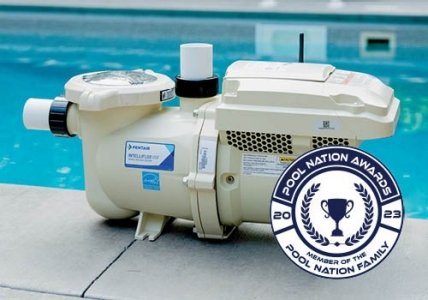
The Pentair IntelliFlo3 VSF represents the cutting edge of pool pump technology in 2025. This variable-flow pump automatically adjusts its speed to maintain consistent flow rates regardless of filter condition or other variables.
Key features include:
- Energy savings up to 90% compared to traditional pumps
- Ultra-quiet operation (45 decibels at low speeds)
- Built-in diagnostics and protection systems
- Seamless integration with pool automation systems
- 8 programmable speed/timer settings
A neighbor who installed this system last year reports saving approximately $1,300 annually on energy costs while maintaining better water quality than ever before.
Common Pool Pump Efficiency Mistakes and How to Avoid Them
Through years of pool ownership and conversations with countless other owners, I’ve identified these frequent mistakes:
- Running pumps at high speed all the time: Most filtration actually works better at lower flow rates.
- Incorrect pump sizing: Bigger isn’t always better. An oversized pump wastes energy without improving performance.
- Neglecting system maintenance: Dirty filters, blocked lines, and air leaks dramatically reduce efficiency.
- Ignoring local rebates: Many utility companies offer substantial rebates for energy-efficient pump upgrades.
- Overlooking total cost of ownership: The cheapest pump often costs the most over its lifetime when energy costs are factored in.
Are you making any of these mistakes? The good news is they’re all relatively easy to correct once identified.
The Future of Pool Efficiency: 2025 Trends and Beyond
The pool industry continues to evolve rapidly, with several exciting developments on the horizon:
- Solar-integrated pump systems that operate completely off-grid
- AI-driven pool chemistry management that works in tandem with efficient pumps
- Predictive maintenance algorithms that optimize performance based on usage patterns
- Enhanced smartphone controls with augmented reality interfaces
- Increased integration with whole-home energy management systems
These innovations promise to make pool ownership more affordable and environmentally friendly than ever before.
Conclusion: Taking Action on Your Pool Pump Efficiency Journey
Pool pump efficiency isn’t just about saving money—though the savings can be substantial. It’s also about reducing environmental impact, extending equipment life, and enjoying a more hassle-free pool ownership experience.
Whether you choose to optimize your existing setup or invest in next-generation technology, even small improvements can yield significant benefits. I encourage you to start by calculating your current energy usage and exploring the options available for your specific pool system.
Have you implemented any efficiency improvements for your pool? I’d love to hear about your experiences in the comments below! Or if you have questions about making the switch to a more efficient system, let me know—I’m happy to share more details about my own journey.
Recent Posts