Corona Pool Algae Treatment & Prevention: Your Ultimate Guide
Hey there, pool owners! So, you’ve got a pool, and it’s supposed to be your personal oasis, right? But then, out of nowhere, bam! Algae strikes. It’s like an uninvited guest that just won’t leave. I remember the first time I dealt with algae in my own pool—I woke up one morning, coffee in hand, ready to take a relaxing dip, only to find my beautiful blue pool had transformed into something resembling a swamp overnight. 😱 But don’t worry, I’ve got you covered. Let’s dive into the nitty-gritty of pool algae treatment & prevention in your Corona pool, and how you can prevent it from turning your backyard paradise into a green nightmare.
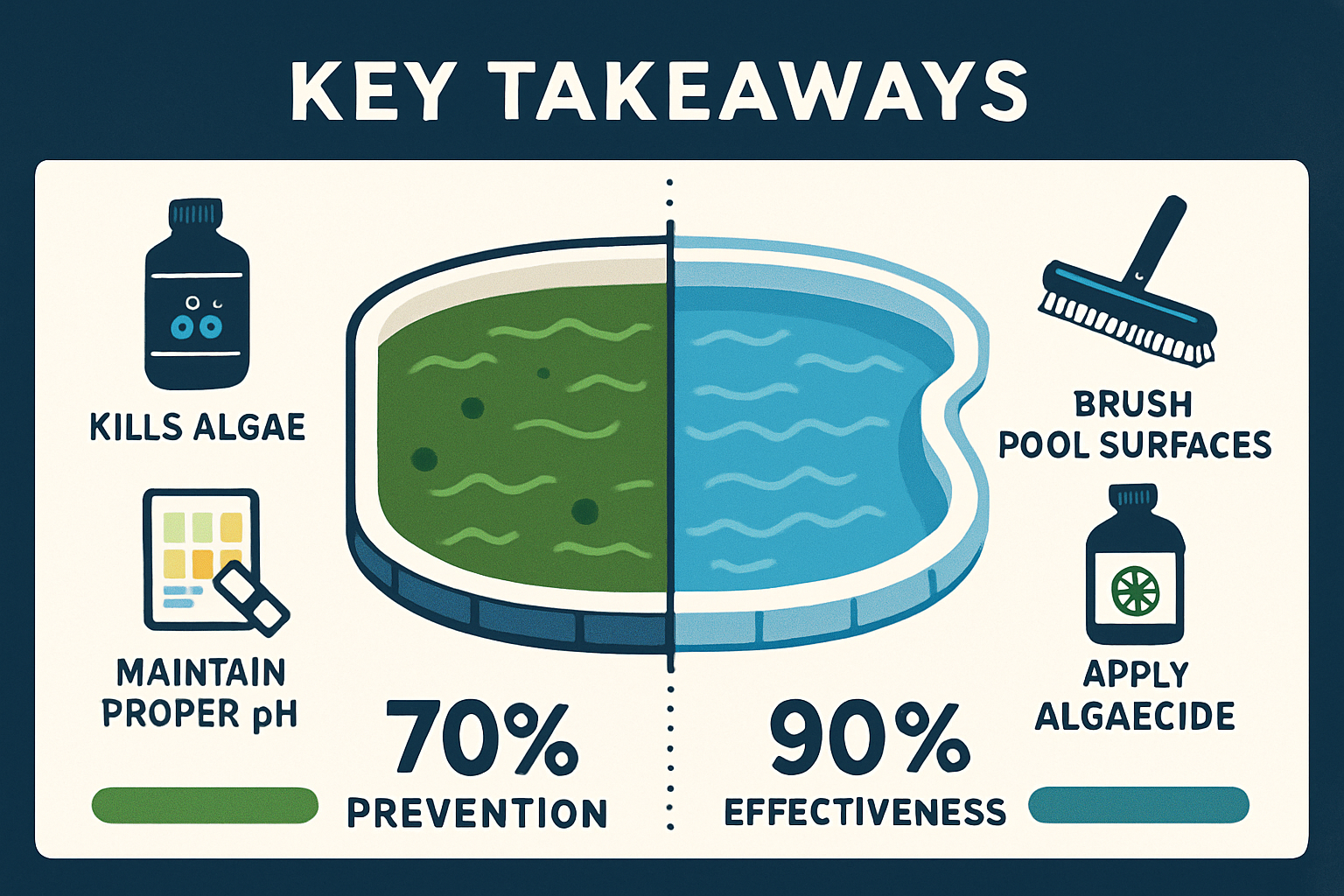
Key Takeaways
- Algae thrives in pools with unbalanced chemicals and poor circulation—regular testing and maintenance are your first line of defense
- Effective treatment requires a four-step process: scrubbing, shocking, filtering, and chemical balancing to completely eliminate algae
- Prevention is easier than treatment—weekly water testing, proper circulation, and consistent cleaning routines keep algae away
- Different algae types require different approaches—knowing whether you’re dealing with green, yellow, or black algae determines your treatment strategy
- Professional pool service can save you time and ensure your Corona pool stays crystal clear year-round
Understanding Pool Algae: The Basics
First off, what exactly is algae? It’s a pesky, tiny plant-like organism that loves nothing more than to set up camp in your pool. Algae can be green, yellow, black, or even pink. And once it finds a cozy spot, it multiplies faster than you can say “pool party!”
But why does it happen? Well, it usually creeps in when your pool’s chemical levels are out of whack or when your filtration system isn’t doing its job. Think of your pool as a delicate ecosystem—when everything’s balanced, it’s paradise. But when things get off-kilter, algae sees an opportunity.
The Three Main Types of Pool Algae
Green Algae 🟢 is the most common culprit. It floats freely in your water or clings to walls and floors, giving your pool that murky, swampy appearance. It’s the easiest to treat but spreads the fastest.
Yellow (Mustard) Algae 🟡 is sneakier. It looks like dirt or pollen and typically hangs out in shaded areas of your pool. It’s chlorine-resistant, which makes it trickier to eliminate.
Black Algae ⚫ is the villain of the algae world. It has deep roots that burrow into pool surfaces, especially plaster and concrete. It’s the hardest to remove and requires aggressive treatment.
According to the Centers for Disease Control and Prevention, algae growth is one of the most common pool maintenance issues affecting residential pools across the United States [1]. Understanding which type you’re dealing with is crucial for effective pool algae treatment & prevention.
Algae Treatment: Step-by-Step Solutions
Alright, here’s the deal. Getting rid of algae isn’t rocket science, but it does take a bit of elbow grease and the right approach. Here’s your complete action plan for tackling an algae outbreak:
1. Scrub-a-dub-dub 🧽
Grab a pool brush and start scrubbing those walls and floors. You want to break up the algae colonies and get them floating in the water where you can deal with them. Trust me, it’s a workout, but it’ll be worth it.
Scrubbing not only dislodges algae but also helps prevent its growth by disturbing its habitat, making it harder for the algae to cling to surfaces. Use a high-quality brush suited for your pool’s surface—stainless steel bristles for concrete or gunite, and nylon bristles for vinyl or fiberglass to avoid any damage.
I learned this lesson the hard way when I used the wrong brush on my vinyl liner and ended up with scratches that became new hiding spots for algae. Don’t make my mistake!
2. Shock Therapy ⚡
Next, you’re gonna shock the pool. No, not like a horror movie shock—more like a chemical shock. Use a pool shock treatment to kill off the algae. Follow the instructions carefully, because too much or too little can be ineffective.
Shocking involves adding a large dose of chlorine or other chemical sanitizers to your pool to drastically raise the chemical levels, effectively killing algae. It’s crucial to do this in the evening or at night to avoid the sun burning off the chlorine before it has a chance to work its magic.
For heavy algae blooms, you might need to use double or triple the normal shock dosage. Here’s a quick reference guide:
| Algae Severity | Shock Dosage | Treatment Frequency |
|---|---|---|
| Light (slight cloudiness) | 1-2 lbs per 10,000 gallons | Once |
| Medium (visible green tint) | 2-3 lbs per 10,000 gallons | Twice, 24 hours apart |
| Heavy (dark green water) | 3-4 lbs per 10,000 gallons | Three times, 24 hours apart |
| Black algae | 4+ lbs per 10,000 gallons | Multiple treatments with algaecide |
3. Filter Frenzy 🌊
Run your filter continuously for 24-48 hours. The goal here is to filter out the dead algae. If your filter’s clogged, clean it out. It’s like giving your pool a good detox.
Ensure that you backwash your filter frequently during this process to maintain its effectiveness. A clean filter will more efficiently remove algae remnants and prevent them from settling back into your pool. If you have a cartridge filter, you may need to clean or replace the cartridge during heavy algae treatment.
For optimal results, consider upgrading to an energy-efficient pool pump that can handle extended run times without breaking the bank on your electricity bill.
4. Test and Balance 🧪
Once the algae’s dead, it’s time to test your water. Use a water testing kit to check the chemical levels—especially pH and chlorine. Adjust them as needed. You want your pool to be in top shape to prevent future algae invasions.
Balancing your pool’s chemicals ensures that your water is not only clean but also safe for swimming. Maintaining these ideal levels is crucial:
- pH Level: 7.2-7.6
- Chlorine: 1-3 ppm (parts per million)
- Alkalinity: 80-120 ppm
- Calcium Hardness: 200-400 ppm
“Proper water chemistry is 80% of effective pool maintenance. Get this right, and you’ll prevent most common pool problems before they start.” – Pool & Spa Industry Association [2]
5. Vacuum and Clean Debris
After the algae is dead and your water is clearing up, vacuum your pool thoroughly. You’ll likely see dead algae settled on the bottom. Use the “waste” setting on your filter if available to avoid sending dead algae back through your filtration system.
Consider investing in an automatic pool cleaner to make this process easier and more efficient for future maintenance.
Preventing Algae: Keep It Out for Good
Now that your pool’s sparkling clean, let’s talk prevention. Because, let’s be real, nobody wants to do all that work more than once. Prevention is always easier—and cheaper—than treatment.
1. Regular Maintenance is Non-Negotiable 📅
Make it a habit to clean your pool regularly. Skim the surface, brush the walls, and vacuum the floor. It’s like giving your pool a regular spa day.
I set aside every Saturday morning for pool maintenance—it’s become my meditation time. Twenty minutes of work each week beats spending an entire weekend battling an algae bloom.
Regular maintenance not only keeps your pool looking inviting but also prevents debris and organic materials from accumulating and providing nutrients for algae growth. Set a weekly schedule for cleaning tasks to keep everything in check:
- Daily: Skim surface debris
- Weekly: Brush walls and floor, vacuum, test water chemistry
- Monthly: Deep clean filters, inspect equipment
- Seasonally: Professional inspection and service
For comprehensive maintenance support, consider professional pool service in Corona, CA to ensure nothing gets overlooked.
2. Keep an Eye on Chemicals 🔬
Test your pool water at least weekly—more frequently during hot weather or heavy use. Keeping your chlorine and pH levels in check is key. And don’t forget the algaecide—use it as an extra layer of protection.
Algaecides are specially formulated to inhibit algae growth and can be a crucial part of your pool maintenance routine. Regular testing helps you catch any imbalances early before they become a bigger issue.
Pro tip: Keep a log of your test results. I use a simple notebook where I record my readings each week. This helps me spot trends and catch problems before they become visible.
3. Good Circulation Prevents Stagnation 💨
Ensure your pump and filter are working efficiently. Good water circulation helps prevent stagnant spots where algae love to grow. Stagnant water is a breeding ground for algae, so make sure your pool’s water is always moving.
Your pool pump should run 8-12 hours daily during swimming season. If necessary, adjust the return jets to improve circulation and eliminate dead zones where water might not be moving adequately. Those corners and steps? They’re algae’s favorite hiding spots.
Check out these pool pump efficiency tips to optimize your circulation while managing energy costs.
4. Cover Up When Not in Use 🛡️
If you’re not using your pool, cover it up. This reduces the debris that can sneak in and cause chemical imbalances. A good pool cover not only keeps out leaves and dirt but also prevents evaporation, which can result in chemical imbalances as water levels drop.
Make sure your cover is secure to prevent anything from getting in and disturbing your pool’s delicate balance. Solar covers offer the added benefit of maintaining water temperature while reducing evaporation by up to 95% [3].
5. Maintain Proper Sanitizer Levels
Consistent sanitizer levels are your best defense against algae. Whether you use traditional chlorine or have a salt water pool system, maintaining proper sanitizer levels prevents algae from gaining a foothold.
For salt water pools, ensure your salt cell is functioning properly and producing adequate chlorine. Clean the cell according to manufacturer recommendations to maintain efficiency.
Special Considerations for Corona Pool Owners
Living in Corona, California means dealing with specific environmental factors that affect pool algae treatment & prevention. Our warm climate and abundant sunshine create perfect conditions for algae growth, especially during summer months.
Climate-Specific Challenges
High UV exposure in Corona breaks down chlorine faster than in cooler climates. You may need to add stabilizer (cyanuric acid) to protect your chlorine from UV degradation. Aim for 30-50 ppm of stabilizer in outdoor pools.
Warm temperatures accelerate algae growth. During heat waves, you might need to increase your chlorine levels and run your pump longer to maintain proper sanitation.
Dust and debris from our desert-adjacent climate introduce phosphates and nitrates—algae food—into your pool. More frequent cleaning and possibly using a phosphate remover can help.
When to Call the Professionals
Sometimes, despite your best efforts, algae problems persist or return quickly. This might indicate underlying issues with your equipment, water chemistry, or pool structure. Professional pool maintenance services can diagnose and fix these problems efficiently.
I called in the pros after my third algae outbreak in two months. Turns out my pool had a small crack that was introducing groundwater—and with it, algae spores and nutrients. That’s not something I could have spotted or fixed myself.
Advanced Prevention Strategies
Use of Algaecides
While not a substitute for proper chlorination, algaecides provide an extra layer of protection. There are several types:
- Quaternary ammonium compounds: Good for general prevention
- Polymeric quaternary ammonium: Longer-lasting, non-foaming
- Copper-based: Effective but can stain surfaces if overused
- Sodium bromide: Works well with ozone systems
Add algaecide weekly as a preventive measure, especially during warm months. Always follow manufacturer instructions for dosage.
Phosphate Control
Phosphates are algae fertilizer. They enter your pool through debris, fertilizers, and even some pool chemicals. Testing and removing phosphates can significantly reduce algae growth potential.
Use a phosphate test kit monthly and add phosphate remover if levels exceed 500 ppb (parts per billion).
UV and Ozone Systems
For those wanting to minimize chemical use, UV sanitizers and ozone generators provide supplemental sanitization. These systems destroy algae spores and reduce the chlorine demand on your pool, though they don’t eliminate the need for chlorine entirely.
Troubleshooting Persistent Algae Problems
Why Algae Keeps Coming Back
If you’re dealing with recurring algae despite treatment, consider these common causes:
- Inadequate filtration time: Your pump may not be running long enough
- Poor circulation: Dead spots in your pool aren’t getting sanitized
- Contaminated equipment: Pool toys, floats, and cleaning tools can harbor algae
- Low sanitizer levels: Consistently low chlorine allows algae to survive
- High phosphate levels: Providing nutrients for rapid algae regrowth
The Nuclear Option: Draining and Acid Washing
For severe black algae infestations that won’t respond to normal treatment, you might need to drain the pool and acid wash the surfaces. This aggressive treatment removes the top layer of plaster or concrete, eliminating deeply rooted algae.
This should be your last resort and is best left to professionals. For expert assistance, contact Corona swimming pool service specialists who have experience with this procedure.
Cost Comparison: DIY vs. Professional Treatment
Let’s talk money. Here’s what you can expect to spend on algae treatment:
DIY Treatment Costs:
- Pool shock (3 lbs): $15-30
- Algaecide (1 quart): $20-40
- Clarifier: $15-25
- Testing kit: $20-50 (one-time purchase)
- Brushes and equipment: $30-100 (one-time purchase)
- Total: $100-245 for initial outbreak
Professional Treatment:
- One-time algae treatment: $150-400
- Weekly maintenance service: $80-150/month
- Benefit: Guaranteed results, equipment inspection, preventive care
While DIY is cheaper upfront, many homeowners find that professional maintenance actually saves money long-term by preventing major problems and extending equipment life.
Environmental and Health Considerations
Safe Swimming After Treatment
After treating your pool for algae, wait until chlorine levels drop below 5 ppm before swimming. This typically takes 8-24 hours depending on your shock dosage and sunlight exposure.
Always test your water before allowing swimmers back in the pool. High chlorine levels can cause skin and eye irritation.
Eco-Friendly Algae Prevention
If you’re environmentally conscious, consider these greener approaches:
- Enzyme treatments break down organic waste that feeds algae
- Mineral sanitizers reduce chlorine needs
- Solar-powered pumps run circulation systems efficiently
- Natural clarifiers made from plant-based compounds
Learn more about pool maintenance and energy efficiency to reduce your environmental impact.
FAQs on Pool Algae
Why does my pool keep getting algae?
Algae loves warm, still water with unbalanced chemicals. If your pool’s not maintained properly, it’s like an open invitation for algae to take over. Inadequate filtration, inconsistent chemical levels, and lack of regular cleaning are the usual culprits. Monitoring your pool’s condition frequently and addressing issues promptly can help keep algae at bay.
Is it safe to swim in a pool with algae?
Technically, most algae isn’t directly harmful, but it’s not ideal either. Algae can make surfaces slippery and can harbor harmful bacteria like E. coli. Plus, who wants to swim in a green pool? The presence of algae often indicates other issues, such as poor sanitation, which could pose health risks, so it’s best to treat and clear your pool before taking a dip.
Can I use household bleach to kill pool algae?
While bleach contains chlorine (usually 6% sodium hypochlorite), it’s not recommended for use in pools. Stick to pool-grade chemicals for the best results. Household bleach can affect your pool’s pH balance and might not be effective in dealing with an algae bloom. Pool-grade chemicals are specifically designed to handle pool conditions and ensure safety and effectiveness.
How long does it take to clear algae from a pool?
For light to moderate algae blooms, you can typically clear your pool in 2-4 days with proper treatment. Heavy infestations or black algae may take 1-2 weeks of consistent treatment. Patience is key—don’t give up if you don’t see immediate results.
Can algae damage my pool?
Yes, particularly black algae. Its roots can penetrate and damage plaster, concrete, and grout. Additionally, the chemical treatments needed to combat severe algae can be harsh on pool surfaces if used repeatedly. This is why prevention is so important.
What’s the best algaecide for Corona pools?
For our climate, I recommend polymeric quaternary ammonium algaecides. They’re non-foaming, long-lasting, and effective in our warm temperatures. However, the “best” algaecide depends on your specific pool type and situation. Consult with a local pool professional for personalized recommendations.
Seasonal Algae Prevention Tips
Spring Pool Opening
When opening your pool after winter:
- Remove and clean the cover before taking it off
- Shock heavily before adding algaecide
- Run filter continuously for 48 hours
- Brush thoroughly every day for the first week
Summer Maintenance
During peak swimming season:
- Test water 2-3 times weekly
- Increase pump run time during heat waves
- Shock weekly instead of bi-weekly
- Clean filters more frequently
Fall Preparation
As temperatures drop:
- Gradually reduce chemical levels
- Continue regular cleaning until closing
- Shock before covering for winter
- Use a winter algaecide if closing the pool
Winter Vigilance
Even in Corona’s mild winters:
- Check pool monthly if not covered
- Maintain minimum chlorine levels
- Remove debris promptly
- Run pump periodically to prevent stagnation
Final Thoughts: Keeping Your Pool Crystal Clear
So, there you have it—a complete guide to tackling and preventing algae in your Corona pool. Remember, consistent maintenance is your best friend. A little effort goes a long way in keeping your pool the sparkling oasis it was meant to be.
Regular upkeep not only enhances the aesthetic appeal of your pool but also extends its lifespan, ensuring it remains a safe and enjoyable feature of your home. Now, go ahead and enjoy those sunny days poolside, without a green guest in sight! ☀️
In addition to these steps, consider investing in quality pool equipment to make your maintenance routine even more effective. A solar-powered pool cover can help maintain water temperature while reducing evaporation, and an automatic pool cleaner can save you time and effort by doing some of the cleaning work for you. By integrating these tools into your routine, you can minimize the time spent on maintenance and maximize your enjoyment of your pool.
Finally, don’t forget the importance of education. Keep yourself informed about new pool maintenance techniques and products. The pool industry is continually evolving with innovations that can make your pool care easier and more efficient. Visit the Corona Swimming Pool Service blog regularly for updates, tips, and expert advice tailored to our local climate and conditions.
Your action plan starting today:
- ✅ Test your pool water and adjust chemicals to proper levels
- ✅ Establish a weekly maintenance schedule and stick to it
- ✅ Inspect your pump and filter for optimal performance
- ✅ Keep a maintenance log to track trends and catch problems early
- ✅ Consider professional service for peace of mind and expert care
With these strategies in place, you’ll be well-equipped to maintain a beautiful, algae-free pool year-round. Your backyard oasis awaits! 🏊♂️