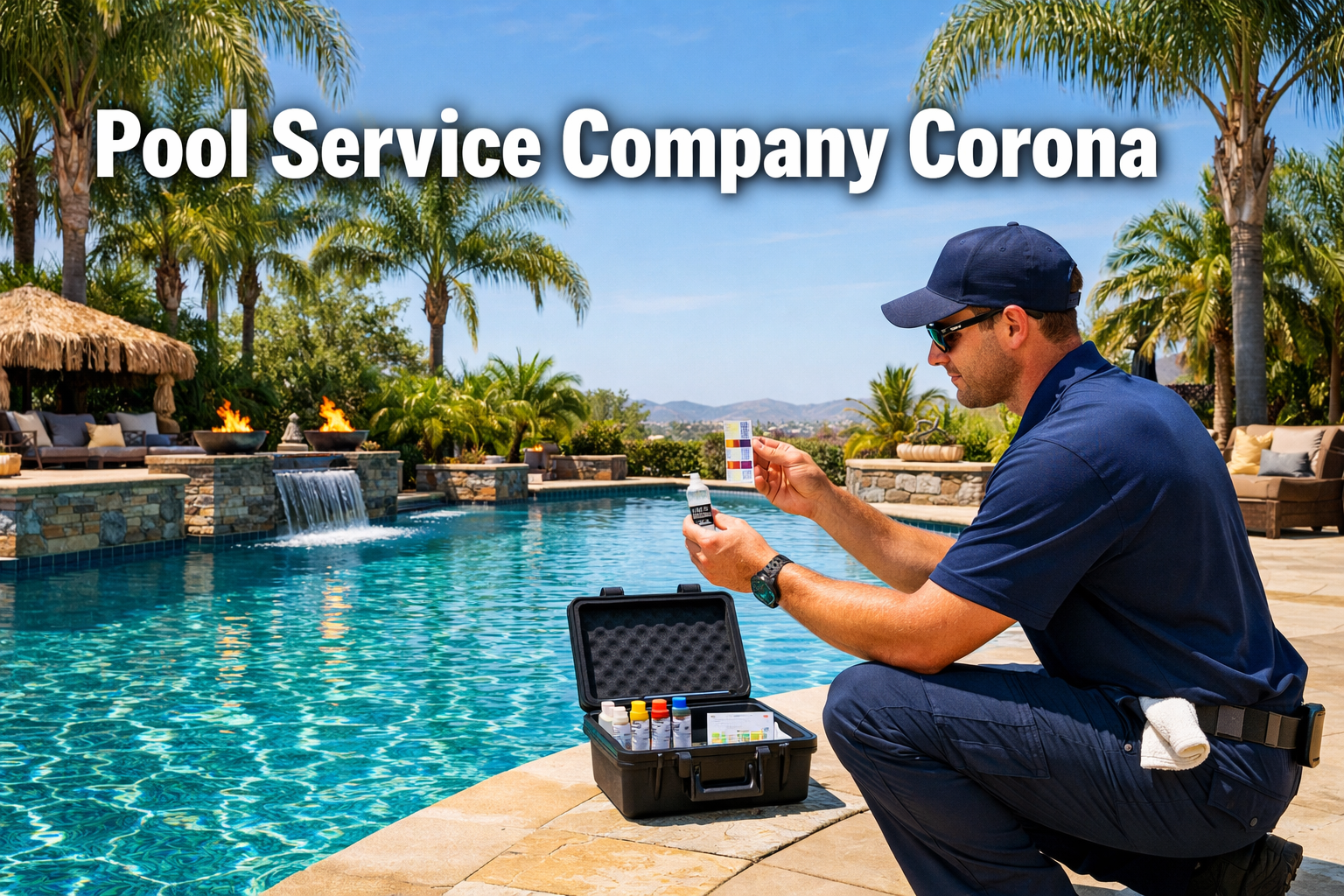
Pool Equipment Repair in Corona
Last updated: January 15, 2026
When your pool pump starts making strange noises at 2 AM, or your heater decides to quit during a family gathering, you need reliable Pool Equipment Repair in Corona that won’t leave you hanging. I’ve seen countless Corona homeowners face equipment failures at the worst possible moments, and the difference between a quick fix and a costly replacement often comes down to proper diagnosis and expert repair techniques.
• Quick diagnosis saves money – Most pool equipment issues can be repaired cost-effectively when caught early, with average repair costs ranging from $779-$830 in Corona[6] • Know when to repair vs replace – Equipment under 8 years old with isolated component failures typically benefits from professional repair rather than full replacement • Emergency services matter – Local Corona pool repair specialists offer same-day emergency response for critical equipment failures that could damage your pool • Professional warranties protect your investment – Established Corona repair services provide comprehensive warranties on both parts and labor for peace of mind • Preventive maintenance extends equipment life – Regular professional inspections can identify potential failures before they become expensive emergency repairs
Pool equipment repair in Corona typically costs between $350 and $830 for standard repairs, with emergency services available from established local providers with decades of experience [6]. Most pump, filter, and heater issues can be diagnosed within 30 minutes and repaired the same day using quality replacement parts, though complex repairs may require 24-48 hours for specialized components.
Corona’s unique climate and water conditions create specific challenges for pool equipment that I see repeatedly in local service calls. The combination of hard water, temperature fluctuations, and seasonal debris puts extra stress on pumps, filters, and heating systems.
Pump failures top the list, usually starting with unusual noises, reduced water flow, or complete motor failure. The constant cycling required in Corona’s year-round swimming season wears down pump seals, impellers, and motor bearings faster than in cooler climates.
Filter system problems come in second, particularly with cartridge filters that clog quickly due to local dust and debris. Sand filters face channeling issues from mineral buildup, while DE filters struggle with grid tears from pressure fluctuations.
Heater malfunctions spike during Corona’s cooler months when homeowners fire up systems that have sat idle. Common issues include:
Chlorinator and salt system failures affect many Corona pools, especially older systems dealing with calcium buildup and electrode corrosion. These systems require specialized knowledge to diagnose properly.
“The key to successful pool equipment repair is understanding that Corona’s specific environmental conditions accelerate certain types of wear patterns that don’t occur in other regions.” – Local Pool Equipment Specialist
For comprehensive maintenance guidance, check out our Pool Service Corona, CA professional maintenance solutions.
Professional diagnosis follows a systematic approach that saves time and prevents unnecessary part replacements. I always start with the most common failure points before moving to complex system analysis.
Initial Assessment Process:
Advanced Diagnostic Tools:
Common Diagnostic Mistakes to Avoid: Many homeowners misdiagnose equipment problems by focusing on symptoms rather than root causes. A “broken pump” might actually be a clogged impeller, blocked skimmer, or electrical issue. Professional technicians systematically eliminate variables rather than guess.
The diagnostic process typically takes 30-45 minutes for standard equipment and up to 2 hours for complex automation systems. Established Corona providers, such as those with decades of experience, use this methodical approach to ensure accurate repairs
Learn more about our comprehensive pool equipment repair expertise for detailed technical guidance.
The repair-versus-replacement decision significantly affects your long-term costs and pool reliability. I use specific criteria to help Corona homeowners make informed choices that maximize their investment.
Repair When:
Replace When:
Cost Analysis Framework:
Energy Efficiency Considerations: Older pumps and heaters often consume 40-60% more energy than modern variable-speed and high-efficiency models. The energy savings from replacement can justify the investment even when repairs are technically feasible.
Warranty Protection: New equipment comes with manufacturer warranties ranging from 1 to 3 years, while repairs typically carry service warranties of 90 days to 1 year. Factor warranty coverage into your decision-making process.
Corona’s established service providers offer honest assessments because their reputations depend on customer satisfaction rather than maximizing individual repair bills [2][5].
Understanding realistic timelines helps you plan around equipment repairs and set proper expectations for service completion. Corona’s pool repair specialists have streamlined their processes to minimize pool downtime.
Standard Repair Timelines:
Repairs
24-48 Hour Repairs:
3-5 Day Repairs:
Service Guarantee Standards:
Parts Warranties:
Performance Guarantees:
Emergency Response Commitments: Established Corona providers offer emergency services with specific response timeframes[1][5]:
Quality Assurance Process:
Professional services also provide detailed repair documentation for warranty claims and future reference.
For ongoing maintenance after repairs, explore our Corona pool maintenance services to prevent future equipment failures.
Pool equipment emergencies require immediate response to prevent water loss, property damage, or complete system failure. I’ve developed protocols that Corona homeowners can follow while waiting for professional help.
Immediate Emergency Steps:
For Pump Failures:
For Heater Problems:
For Filter System Failures:
Emergency Service Availability:
Corona’s established repair services provide emergency response with specific capabilities[1][2][5]:
Cost Considerations for Emergency Service:
Prevention Strategies: The best emergency response is prevention through regular maintenance and early problem identification. Professional inspections can catch developing issues before they become emergencies.
For comprehensive emergency support, contact our Corona swimming pool service team for immediate assistance.
Professional Pool Equipment Repair in Corona should deliver comprehensive solutions that restore your equipment to optimal performance while providing long-term value. Here’s what separates quality service providers from basic repair companies.
Service Standards You Should Expect:
Comprehensive Diagnostic Reports:
Quality Parts and Installation:
Professional Communication:
Established Corona Credentials:
Local providers with substantial experience bring valuable advantages[1][2][5]:
Service Scope and Capabilities:
Pricing Transparency: Professional services provide clear pricing with no hidden fees:
Red Flags to Avoid:
For specialized equipment issues, explore our expertise in pool automation and smart controls.
How much does pool equipment repair cost in Corona? Pool equipment repair costs in Corona typically range from $779-$830 for standard repairs, with potential variation from $753 to $856 depending on the specific equipment and complexity of the repair[6]. Emergency services and complex repairs may cost more.
How quickly can pool equipment be repaired? Most common repairs, such as pump motor replacements, filter replacements, and basic electrical issues, can be completed same-day within 2-4 hours. Complex repairs requiring special parts may take 24-48 hours, while major system overhauls can require 3-5 days.
Should I repair or replace my 10-year-old pool pump? Pool pumps over 10 years old should generally be replaced rather than repaired, especially if multiple components have failed. Modern variable-speed pumps offer significant energy savings that can offset replacement costs within 2-3 years.
What warranty comes with pool equipment repairs? Professional repairs typically include 90 days to 1 year warranty on labor, plus manufacturer warranties on replacement parts ranging from 1-3 years depending on the component. Always request written warranty documentation.
Can pool equipment be repaired during the winter months? Yes, Corona’s mild winter climate allows year-round pool equipment repairs. In fact, winter is often the best time for major repairs and upgrades since pool usage is typically lower.
How do I know if my pool equipment repair is covered by warranty? Check the purchase date of your equipment and its warranty documentation. Most manufacturers offer 1- to 3-year warranties on major components. Professional repair services can help verify warranty coverage and handle warranty claims.
What should I do if my pool pump stops working completely? Immediately turn off the power at the circuit breaker, check the water level to ensure the pump wasn’t running dry, and call a professional repair service. Don’t attempt to restart the pump until it’s been properly diagnosed.
How often should pool equipment be professionally inspected? Pool equipment should be professionally inspected at least twice per year – once before peak swimming season and once before winter. Monthly maintenance visits can catch developing problems early.
Are emergency pool equipment repairs available in Corona? Yes, established Corona pool service providers offer 24/7 emergency repair services with typical response times of 4-6 hours for urgent issues. Emergency services include trip charges and may be subject to premium pricing.
What’s the difference between OEM and aftermarket pool equipment parts? OEM (Original Equipment Manufacturer) parts are made by the original equipment manufacturer and typically offer the best fit and longevity. Quality aftermarket parts can be cost-effective alternatives, but ensure they meet or exceed OEM specifications.
How can I prevent future failures in pool equipment? Regular professional maintenance, proper water chemistry balance, timely filter cleaning, and addressing minor issues before they become major problems are the best prevention strategies. Professional inspections can identify potential failures early.
Do I need permits for repairs to pool equipment? Most standard repairs don’t require permits, but electrical work, gas line modifications, or major equipment relocations may require local permits. Professional repair services handle permit requirements when necessary.
• Professional diagnosis is essential – Systematic diagnostic approaches identify root causes rather than symptoms, preventing unnecessary repairs and ensuring long-lasting solutions • Timing matters for repair decisions – Equipment under 8 years old with isolated component failures typically benefits from repair, while older equipment with multiple issues should be replaced • Emergency preparedness saves money – Knowing how to safely shut down failed equipment and having emergency service contacts prevents minor issues from becoming major disasters • Quality service providers offer comprehensive warranties – Established Corona repair services provide parts and labor warranties ranging from 90 days to 3 years for peace of mind • Preventive maintenance extends equipment life – Regular professional inspections and timely repairs can double the lifespan of pool equipment while maintaining optimal performance • Local expertise matters – Corona’s unique climate and water conditions require specialized knowledge that experienced local providers understand better than national chains • Transparent pricing protects your investment – Professional services provide detailed written estimates and explain all costs upfront, with typical repair ranges from $779-$830 in the Corona area • Emergency services provide critical support – 24/7 emergency response with 4-6 hour response times ensures your pool equipment failures don’t become property damage or total system loss
Pool Equipment Repair in Corona requires the expertise of professionals who understand both the technical complexities of modern pool systems and the unique environmental challenges of Southern California. From emergency pump failures to complex heater diagnostics, the right repair service can save you thousands of dollars while ensuring your pool remains a source of enjoyment rather than frustration.
The key to successful pool equipment repair lies in choosing established local providers who offer transparent pricing, comprehensive warranties, and emergency response capabilities. With repair costs typically ranging from $150 to $830 for standard issues, professional repair often provides better value than premature replacement, especially when performed by experienced technicians using quality parts.
Your Next Steps:
Don’t wait until your pool equipment fails completely. Contact our experienced Corona pool service team today to schedule a comprehensive equipment inspection and ensure your pool systems are ready for year-round reliability.